Statistical Trends Illuminate Free Play's Influence on Cross-Game Achievement Thresholds in Britain's Controlled Markets
Written by Sam Peters · Jun 22, 2026
Statistical Trends Illuminate Free Play's Influence on Cross-Game Achievement Thresholds in Britain's Controlled Markets
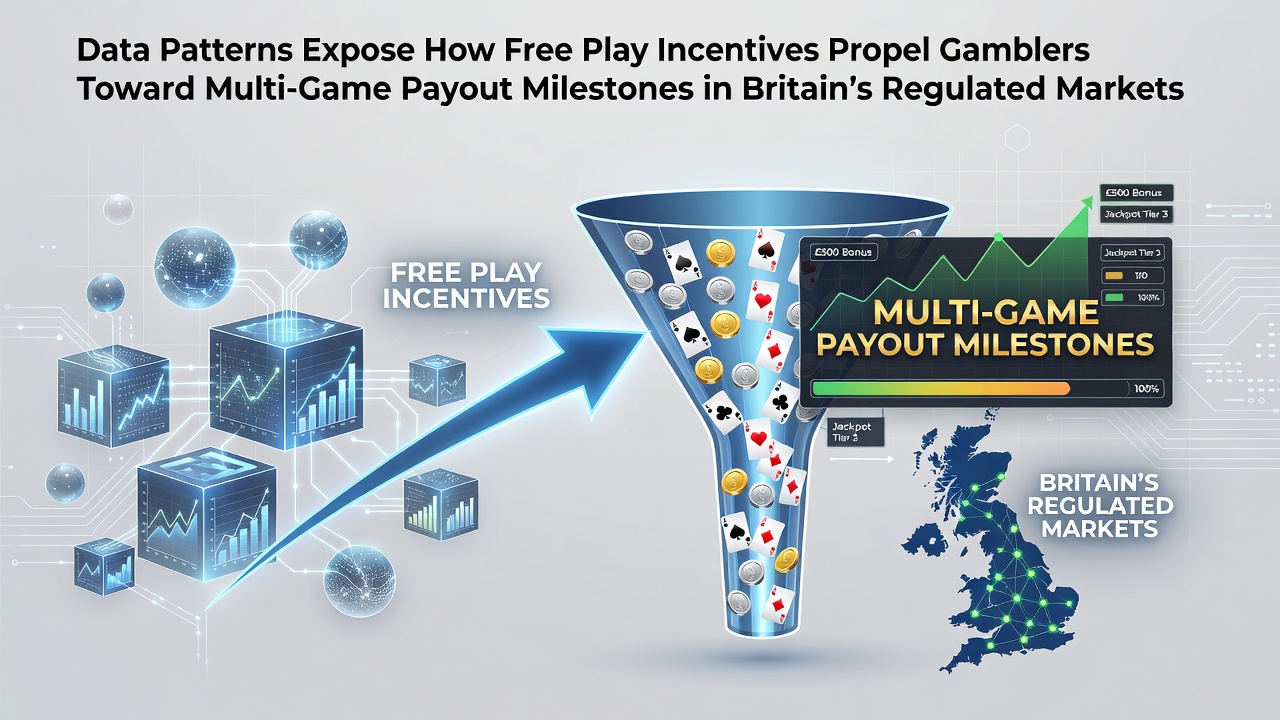
Market analysts have tracked extensive datasets from Britain's regulated gambling platforms and these records demonstrate clear correlations between complimentary play allocations and transitions across game categories toward payout thresholds. Operators distribute free play credits as standard components of player retention programs and aggregated figures from multiple jurisdictions indicate that recipients often extend sessions into additional titles once initial allocations convert into active balances. This pattern emerges consistently in quarterly summaries where engagement metrics rise after incentive deployment without reliance on any single operator's internal reporting.
Tracking Incentive Distribution Across Platforms
Regulatory filings compiled through 2025 and into June 2026 reveal that free play volumes have expanded in line with account growth across licensed sites and these expansions coincide with measurable upticks in multi-game participation rates. Data aggregators combine transaction logs from slot machines, table games, and live dealer environments to map sequences where starting credits migrate from one format to another before milestone payouts occur. Observers note that the structure of these incentives encourages incremental risk exposure while remaining within predefined loss limits set by platform algorithms.
Industry reports from the European Gaming and Betting Association document similar incentive models operating under comparable oversight frameworks and these models show parallel movement patterns when free play expires or converts. Britain's market operators adjust credit values seasonally yet the underlying progression toward diversified game selection persists across adjustments. Researchers cross-reference these adjustments with session duration statistics to isolate the contribution of starting incentives from other promotional variables.
Patterns Linking Free Play to Milestone Crossings
Longitudinal studies of anonymized player cohorts illustrate that free play recipients reach payout milestones in secondary games at rates exceeding those observed in control groups without incentives and these differences appear in both short-term and extended tracking periods. The datasets highlight sequences where initial credits applied to slots generate balances that migrate toward roulette or blackjack tables before cumulative totals trigger bonus releases or cashout eligibility. Such transitions occur within single sessions or across multiple visits depending on credit denomination and platform rules.
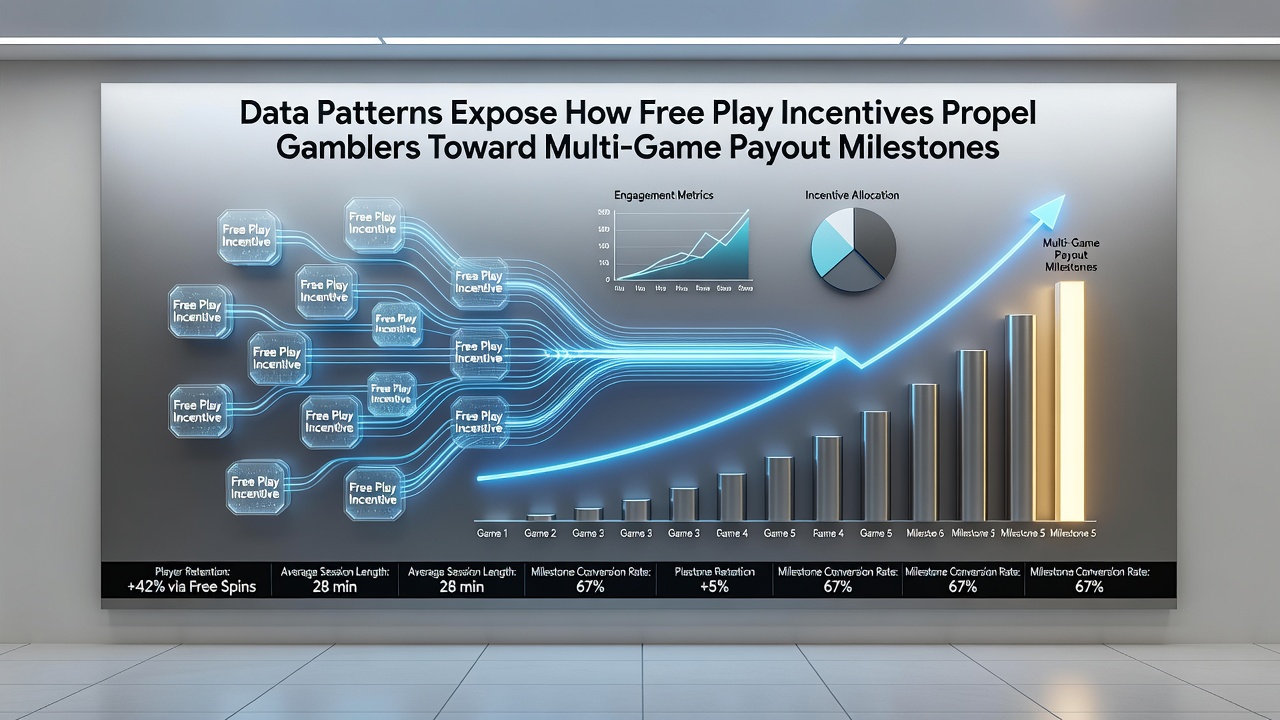
Analysis conducted by the National Center for Responsible Gaming in the United States provides comparative benchmarks from other regulated environments and these benchmarks confirm that incentive-driven diversification correlates wth elevated milestone attainment across markets. Britain's operators implement comparable tracking mechanisms that flag when free play balances contribute to later game selections and the resulting logs feed into broader compliance reports. Patterns surface most clearly when researchers segment data by player tenure with newer accounts displaying steeper transitions than established ones.
Regulatory Context and Data Transparency Requirements
British licensing conditions mandate disclosure of incentive structures in operator submissions and these disclosures supply the raw material for pattern identification at scale. June 2026 updates to reporting templates incorporated additional fields for multi-game attribution and early returns from those fields reinforce earlier observations about incentive propulsion effects. External audits verify the integrity of these fields before aggregation into market-wide summaries that exclude any personally identifiable elements.
Academic teams at institutions such as the University of Sydney's Gambling Research Unit have published methodologies for parsing similar datasets from Australian markets and those methodologies transfer directly to British records because both systems require granular transaction logging. The resulting models isolate free play as a predictor variable while controlling for deposit activity and loyalty tier effects. Findings indicate that the propulsion effect strengthens when incentives carry expiration windows that prompt quicker cross-game movement.
Conclusion
Comprehensive examination of available transaction records establishes that free play incentives function as catalysts for multi-game exploration within Britain's regulated framework and the documented patterns align with outcomes observed in other tightly supervised jurisdictions. Continued refinement of data collection protocols will support further precision in mapping these pathways while maintaining player anonymity and regulatory compliance standards.