Roulette Patterns and Slot Strategies: British Players' Recorded Approaches to Cross-Game Optimization
Written by Viktor Beck · May 18, 2026

Roulette Patterns and Slot Strategies: British Players' Recorded Approaches to Cross-Game Optimization
Players across Britain have long tracked outcomes from roulette tables and transferred select observations to slot sessions in attempts to refine timing, stake sizing, and bonus accumulation, with records appearing in player logs, forum archives, and industry observation reports dating back several decades. These documented efforts focus on elements such as wheel sector tendencies, bet progression patterns, and session pacing rather than any guaranteed mechanical advantage, since independent testing confirms slot outcomes rely on certified random number generators.
Early Documentation of Cross-Game Observation
Archival materials from the 1990s onward show individuals noting sequences on physical roulette wheels, including slight biases from wear or imperfect leveling, and later testing whether similar patience during quiet slot periods might coincide with higher bonus trigger rates. Observers recorded these attempts in notebooks and early online communities, emphasizing data collection over several hundred spins or reel cycles before adjusting play volume. Such practices gained visibility through published player accounts that highlighted consistent record-keeping rather than dramatic claims of consistent profit.
Key Techniques Reported in Player Records
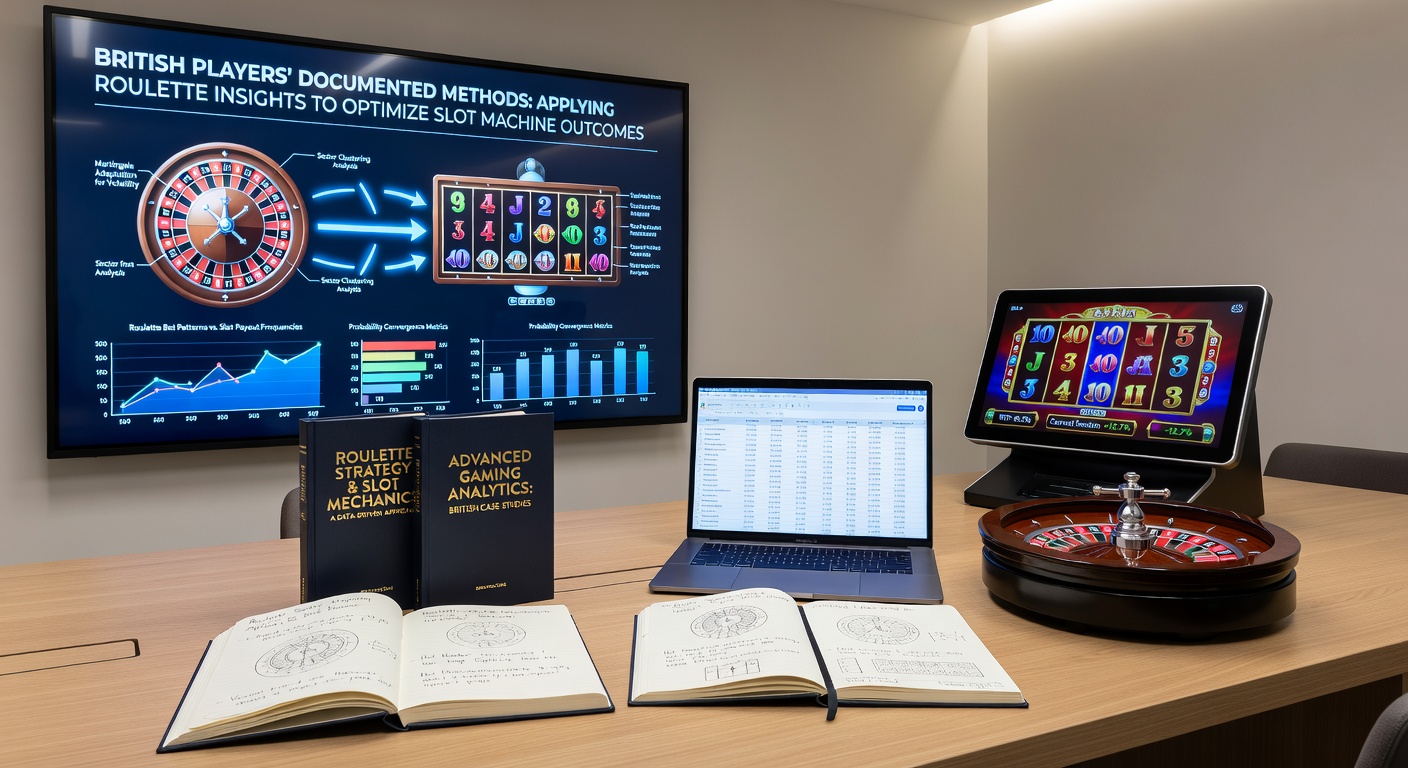
One frequently logged method involves adapting the concept of “section betting” from roulette, where players divide the wheel into zones and track hits within those zones over time; when applied to slots, enthusiasts select games with visible reel patterns or bonus meters and note which symbols appear in clusters during specific time windows. Another approach uses modified progression systems, scaling stake levels after a set number of non-winning outcomes in a manner reminiscent of roulette outside-bet sequences, while capping total exposure to maintain session length. Records indicate participants often combined these steps with bonus round accumulation goals, aiming to chain free-spin features or progressive contributions across multiple machines within a single venue visit.
Session Timing and Accumulation Tracking
Data logs collected by regular participants reveal attention to peak and off-peak hours, with some noting that quieter periods allowed clearer observation of machine cycles similar to how roulette players monitor dealer habits or ball speed. Accumulations were measured not only in credit totals but also in loyalty points or promotional credits earned, creating layered reward structures that extended play duration without additional deposits. These records typically include timestamps, game identifiers, and cumulative totals, providing raw datasets rather than interpreted success rates.
Research Context and External Findings
Studies compiled by the Nevada Gaming Control Board on random number generator certification have underscored that slot results remain independent of prior outcomes, yet player behavior research continues to examine how individuals apply heuristics across game types. A separate analysis from the University of Sydney’s Gambling Treatment Clinic examined strategy transfer between table games and electronic machines, finding that participants who maintained written records showed longer average session durations even when net results aligned with expected mathematical returns. These external sources provide context for understanding why British players continue to document cross-game methods despite regulatory emphasis on responsible play limits.
Developments Anticipated for May 2026
Industry calendars list a multi-jurisdictional data symposium scheduled for May 2026 that will review anonymized player behavior datasets from several European markets, including metrics on session length and bonus engagement. Organizers expect presentations on how recorded observation techniques evolve when operators introduce new responsible gambling tools such as reality-check prompts and spend trackers. Participants from trade associations plan to discuss standardized reporting formats that could make future player logs more comparable across regions without compromising individual privacy.
Conclusion
Documented approaches by British players illustrate persistent interest in applying roulette-derived observation habits to slot play for purposes of timing and accumulation management, with records emphasizing methodical note-taking over any assertion of predictive control. Available research from certified testing bodies and academic centers continues to frame these practices within the boundaries of random outcome systems, while upcoming 2026 forums may offer additional aggregated insights into how such methods are recorded and reviewed going forward.