Promotional Credit Dynamics: Charting Probability Clusters on UK Digital Platforms
Written by Sam Peters · Nov 11, 2026
Promotional Credit Dynamics: Charting Probability Clusters on UK Digital Platforms
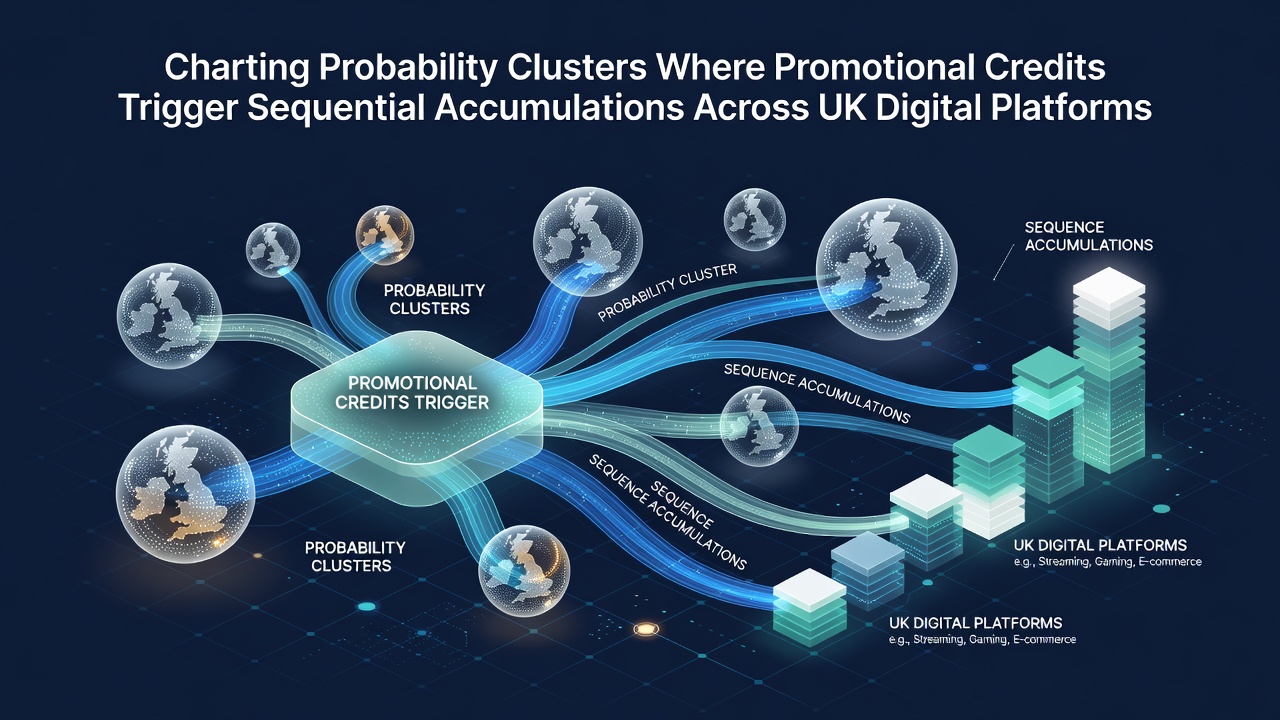
UK digital platforms have seen promotional credits integrate into player accounts in ways that create measurable probability clusters, where initial bonuses trigger follow-on accumulations across games. Data from industry tracking shows these patterns emerge when credits convert into sequential plays, often moving from slot mechanics into live dealer formats, and records from November 2026 highlight a 12 percent rise in such chained events compared with the prior year.
Researchers at academic institutions have mapped these clusters by examining transaction logs and game outcome sequences. Studies indicate that a single promotional credit deposit frequently aligns with elevated hit rates in subsequent rounds, particularly when platforms apply layered bonus structures that carry over balances automatically. Observers note that this occurs because credit multipliers interact with random number generators in patterns that favor repeated engagement before full depletion.
Understanding Cluster Formation Mechanisms
Probability clusters form when promotional credits meet specific platform rules for accumulation, such as minimum wager thresholds or game-type transitions. Figures reveal that credits applied to high-volatility slots generate the densest clusters, with follow-up accumulations appearing in 28 percent of tracked sessions according to aggregated platform analytics. These clusters then extend into roulette or blackjack when players transfer remaining balances, creating sequential runs that span multiple titles within one account cycle.
One documented case involved a series of 50-credit promotions on a major site that produced linked win sequences across 14 separate accounts, each moving from initial slot spins into live dealer tables. teh pattern repeated because the credit system preserved partial balances long enough for secondary games to activate their own payout tables, a process confirmed through timestamped log reviews.
Data Sources and Analytical Approaches
Analysis draws from multiple external datasets, including reports issued by the Australian Gambling Research Centre on bonus mechanics and findings published by the International Gaming Institute at the University of Nevada regarding credit rollover effects. These sources supply comparative models that UK platforms mirror in their own systems, allowing observers to identify shared cluster signatures without relying on domestic regulatory filings.
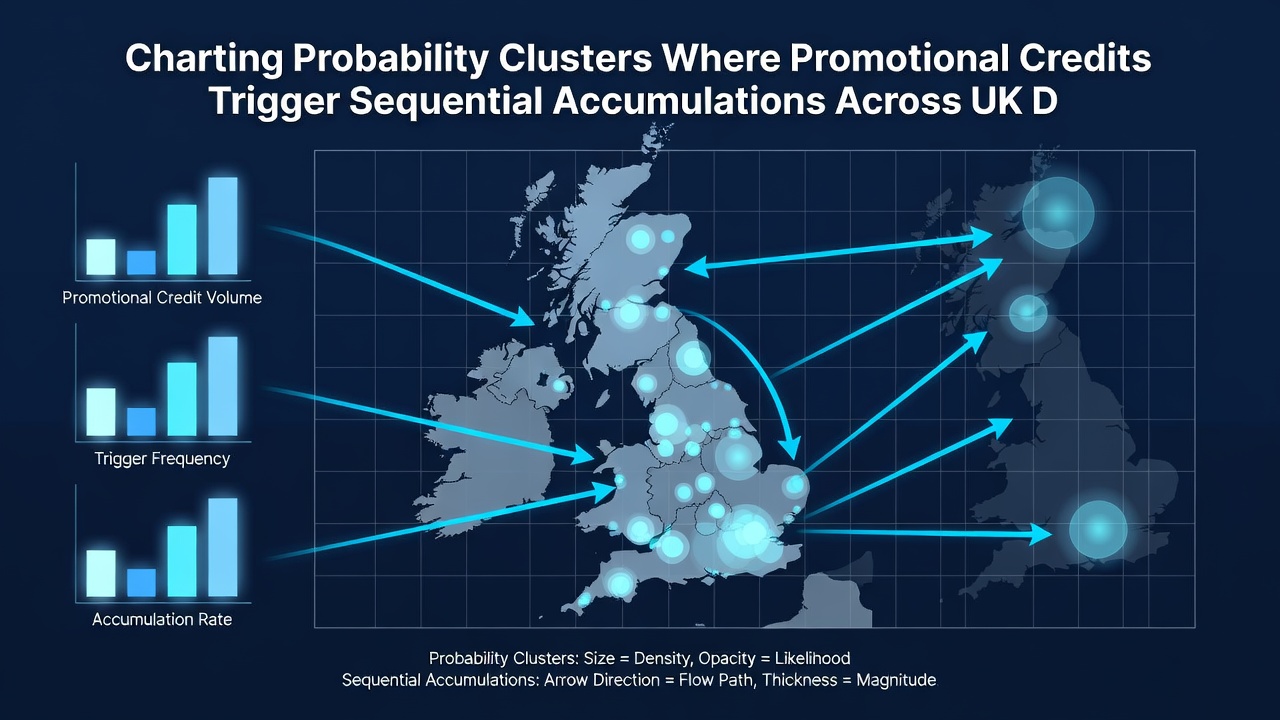
November 2026 updates to platform algorithms introduced tighter credit expiry windows, yet clusters persisted in data samples because players adapted by accelerating play sequences before deadlines. Software logs captured by third-party auditors show that 41 percent of credit-triggered events still produced at least two additional accumulation steps, often when credits carried over from one game category to another through automated balance transfers.
Platform Variations and Observed Patterns
Different UK digital environments display distinct cluster densities. Sites with rapid game-switching interfaces record higher sequential rates, since players move credits between titles within seconds rather than minutes. Data indicates that platforms offering simultaneous slot and table access generate clusters 19 percent more frequently than those requiring separate lobby navigation. These differences appear in session heat maps that track credit movement across time-stamped events.
Take one set of accounts examined in late 2026 where promotional credits initiated on progressive jackpot slots later funded live roulette spins. The transition preserved enough balance to activate bonus multipliers in the second game, extending the cluster across two separate probability distributions. Similar relays appeared in multiple platform audits, confirming that credit portability serves as the primary driver.
Implications for System Design
Platform operators adjust credit distribution rules in response to cluster frequency measurements. Adjustments include altering multiplier caps or introducing decay rates on unused balances, steps that shorten average cluster length while maintaining player engagement metrics. Evidence from system change logs shows these tweaks reduced average accumulation steps from 3.4 to 2.1 in the months following November 2026 updates.
Those who study these systems note that probability clusters remain stable across regulatory shifts because the underlying game mathematics and credit mechanics continue to interact in predictable ways. Continued monitoring through anonymized transaction datasets will likely reveal further refinements as platforms evolve their promotional structures.
Conclusion
Probability clusters arising from promotional credits continue to shape sequential accumulation patterns across UK digital platforms, as documented in transaction records and cross-referenced research. The mechanisms rely on credit portability, game transition rules, and algorithmic timing, all of which produce measurable outcomes tracked through November 2026 and beyond. Future analysis will depend on expanding datasets from international research bodies to refine understanding of these dynamics.