Layered Perks and Payout Pathways: How UK Players Sequence Bonuses Across Games
Written by Sam Peters · Sep 16, 2026

Layered Perks and Payout Pathways: How UK Players Sequence Bonuses Across Games
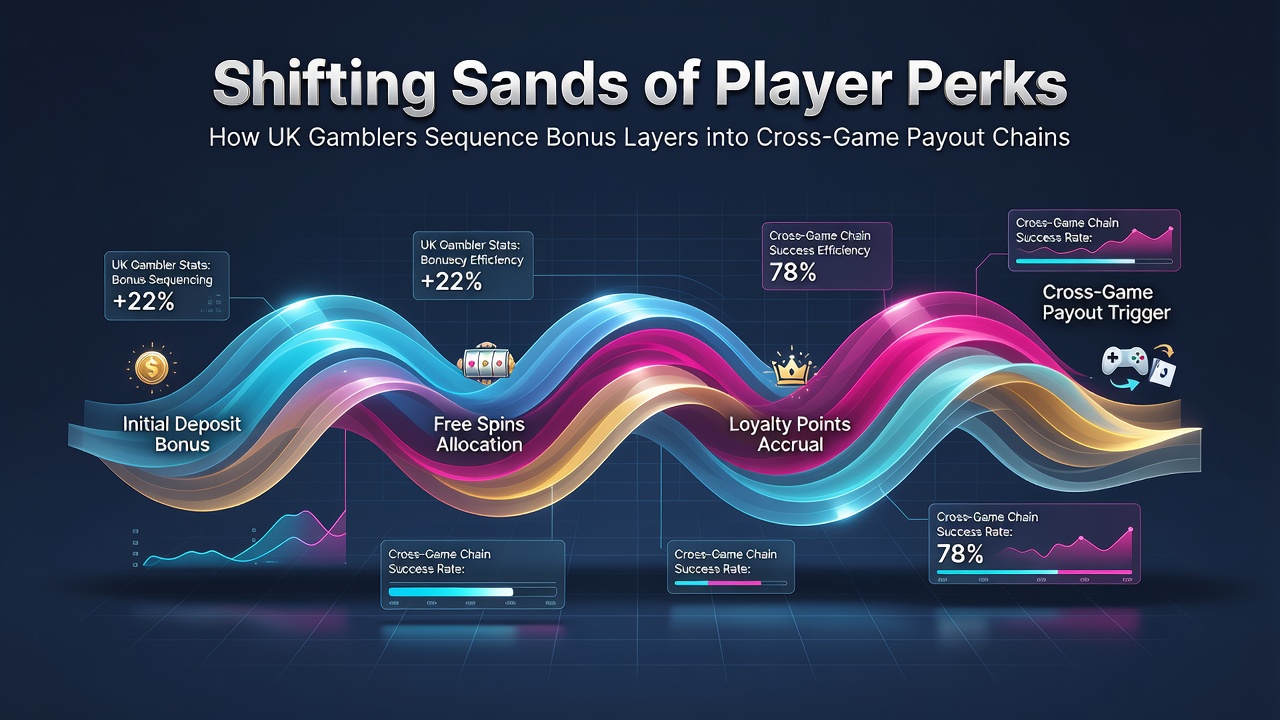
UK players often approach casino bonuses as interconnected steps rather than isolated offers, and data from industry reports shows patterns where initial slot incentives feed into table game sessions. Observers note that many accounts begin with free spin packages that carry wagering conditions tied to specific titles, then shift remaining balances toward roulette or blackjack where contribution rates differ. This sequencing relies on understanding how each game category affects overall progress toward release thresholds.
Mechanics Behind Multi-Stage Bonus Use
Bonus terms typically assign varying contribution percentages across game types, so a player might complete 60 percent of a wagering requirement through slots before redirecting funds to live dealer tables that contribute at lower rates yet offer different payout structures. Research indicates that such shifts occur most frequently when players monitor remaining playthrough amounts in real time, allowing them to select games that align with both the remaining requirement and personal risk preferences. Figures from a 2025 Australian gambling behavior study reveal that participants who planned these transitions reported higher completion rates for bonus release compared with those who stayed within one game category throughout.
Data Patterns in Cross-Game Transitions
Statistics compiled by the Nevada Gaming Control Board highlight similar layering tendencies in regulated markets, where account-level tracking shows clusters of activity moving from video slots to card games within single sessions. In the UK context, observers have documented parallel behaviors through aggregated transaction data, noting that September 2026 is scheduled to bring updated reporting standards from several European oversight bodies that could clarify how often these sequences appear in player logs. Those standards aim to separate promotional funds from deposited amounts more clearly, which may influence how operators present game-specific contribution tables to users.
One case examined by academic researchers at a Canadian university involved anonymized datasets where players who began with slot bonuses exceeding 50 spins frequently moved portions of their balance to roulette after the first 20 spins, apparently to accelerate completion while altering volatility exposure. The study found that these moves correlated with accounts that ultimately converted bonus funds into withdrawable balances at rates above the sample average.
Operator Tools Supporting Sequence Planning
Many platforms now display real-time contribution meters that update across game categories, enabling players to decide when a shift makes mathematical sense. Industry groups such as the European Gaming and Betting Association have published guidance documents outlining best practices for transparent display of these meters, emphasizing that clear information helps users avoid unintended extensions of wagering periods. Data from platform analytics further shows that accounts utilizing these tools complete bonus cycles in fewer average spins or hands than those navigating without visibility into progress.
Additional features include game filters sorted by contribution percentage, which some operators introduced after observing that players frequently searched manually for suitable follow-up titles. These filters reduce friction when sequencing moves from high-contribution slots to medium-contribution table games, and early adoption metrics suggest increased session continuity once such tools became available.
Regulatory Context Across Jurisdictions
While UK-specific rules continue to evolve, parallel frameworks in other regions provide comparative insight. The Alcohol and Gaming Commission of Ontario, for instance, requires operators to publish contribution rates in a standardized format, and similar proposals have appeared in discussions among EU member states. These requirements aim to give players consistent information regardless of where they access services, potentially standardizing how bonus layers are presented and tracked.
September 2026 remains a notable date because several international reporting initiatives are set to release consolidated datasets covering multi-jurisdictional player behavior. Analysts expect these releases to quantify how often bonus funds transition between game verticals and whether such patterns correlate with responsible gambling indicators tracked by operators.
Conclusion
Patterns of bonus sequencing across game types continue to develop as platforms refine tracking tools and regulators standardize disclosure requirements. Available data from multiple oversight bodies and academic sources indicate that players who plan transitions based on contribution rates and remaining wagering targets achieve release outcomes more consistently. Future reporting cycles scheduled for September 2026 should supply additional granularity on these behaviors, allowing both operators and observers to refine their understanding of how layered incentives function across different titles and sessions.