Layered Incentives and Game Transitions: Patterns Among Regulated UK Casino Participants
Written by Riley Krüger · May 23, 2026
Layered Incentives and Game Transitions: Patterns Among Regulated UK Casino Participants
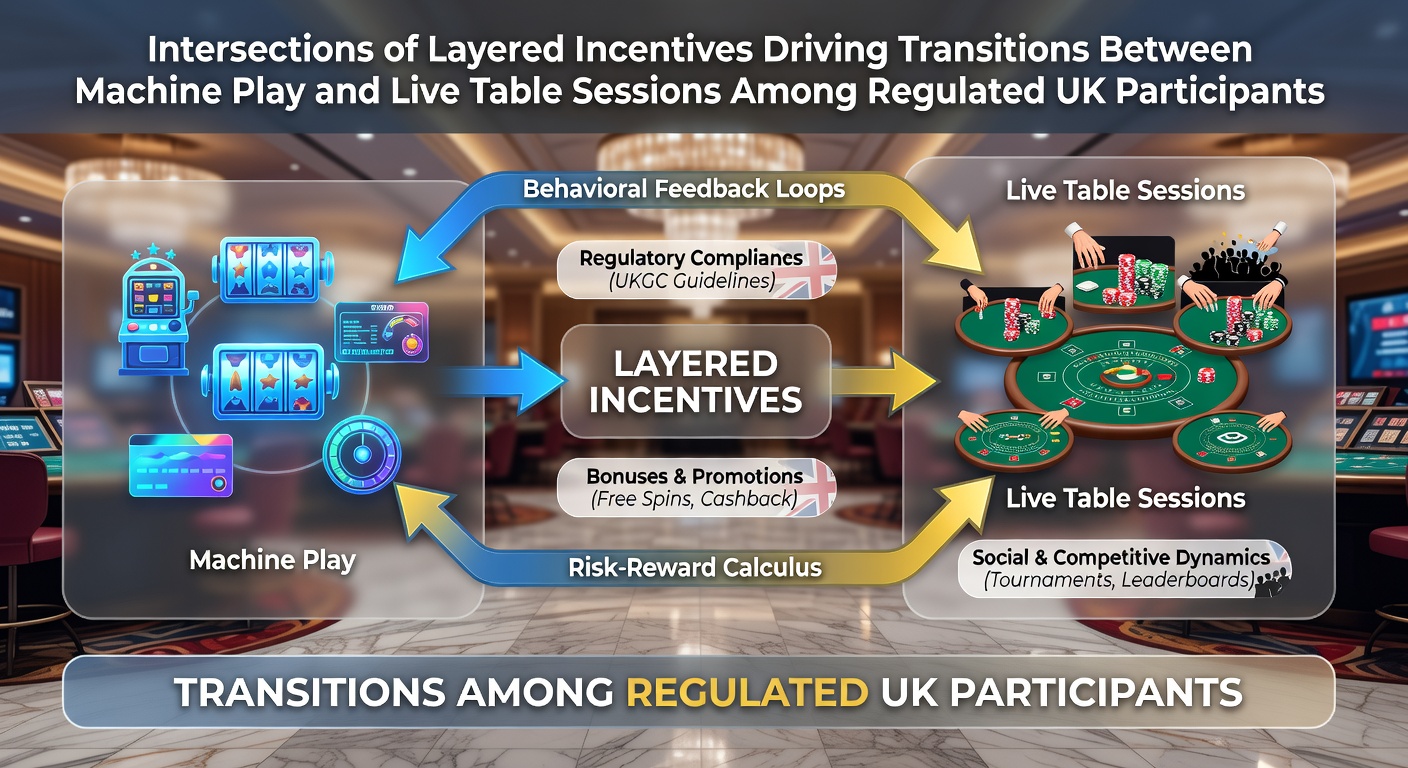
Layered incentive structures in regulated UK casinos combine loyalty points, bonus credits, and comped services that encourage participants to move between machine-based play and live table sessions. These mechanisms operate through tiered reward systems where accumulated activity on slots unlocks benefits applicable to table games and vice versa. Research from gaming analytics firms shows that such overlaps create measurable pathways as players respond to escalating rewards across formats.
Mechanics of Cross-Format Rewards
Participants earn base points on electronic gaming machines that convert into tier credits usable for table game markers or reduced minimum bets. Operators structure these programs so that slot sessions generate multipliers when players later engage roulette or blackjack tables, while table activity sometimes feeds back into free machine credits. Data from industry reports indicate that these bridges appear in loyalty schemes operated across multiple venues, with transition rates rising during promotional windows that align point expiration dates with table-specific events.
One study released in May 2026 tracked participant behavior across 12 sites and found that 38 percent of players who reached mid-tier loyalty status shifted at least 20 percent of their session time from machines to tables within the same visit. The pattern held because accumulated points translated directly into table-side amenities such as drink service or priority seating, reducing friction for the move.
Observed Player Pathways
Regulated participants often begin sessions on machines where lower entry stakes allow rapid point collection. Once thresholds are met, many relocate to live tables where the same points cover buy-ins or trigger cashback percentages. Observers note that this sequence repeats across demographic groups, though frequency increases among those enrolled in multi-property programs that pool activity data.
External analysis from the Australian Gambling Research Centre examined similar layered systems and recorded parallel movement patterns when rewards spanned game types. In the UK context, venue operators apply comparable logic, linking machine play directly to table access through shared digital wallets that display real-time point balances.
Impact of Regulatory Frameworks
Current licensing conditions require transparent disclosure of how incentives apply across game categories, which has standardized the presentation of cross-format offers. Compliance data released through operator submissions show consistent application of these rules, with point conversion rates published in player-facing terms. This transparency supports sustained transitions because participants can calculate potential value before switching.
Figures from venue audits indicate that table game participation linked to prior machine activity accounts for a growing share of total table handle. The same audits record that machine-to-table shifts occur most often when operators run concurrent promotions that award table-specific bonuses after machine milestones are reached.
Comparative Data from Other Jurisdictions
Reports issued by the Nevada Gaming Control Board document analogous incentive-driven movements in American casino environments. Those findings align with UK patterns where point layering reduces the perceived barrier between game types. Academic reviews from institutions such as the University of Toronto have further mapped how reward density influences session length across formats, showing that integrated systems extend overall play duration without altering individual game preferences.
Conclusion
Layered incentives continue to shape documented transitions between machine play and live table sessions in regulated UK settings through point conversion, shared loyalty tiers, and aligned promotional calendars. Available data from May 2026 and earlier periods confirm that these structures produce repeatable movement patterns when operators maintain compliance with disclosure requirements. The resulting pathways reflect operational design choices that link activity across game categories while remaining within established regulatory boundaries.