From First Deposit to Landmark Payout: Verified Transaction Pathways in Britain's Regulated Casinos
Written by Sam Peters · Jun 15, 2026
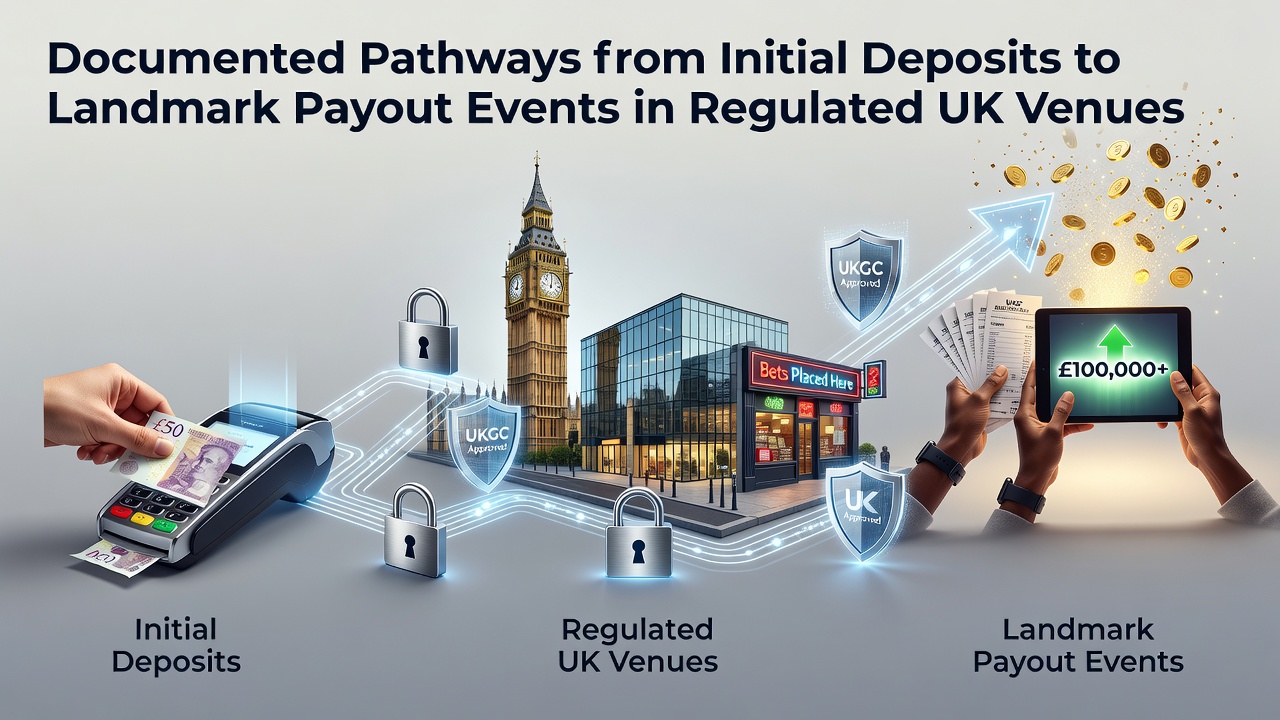
From First Deposit to Landmark Payout: Verified Transaction Pathways in Britain's Regulated Casinos
Regulated venues across the United Kingdom maintain detailed records that trace every step from an initial deposit through verification layers to eventual large-scale payouts, and those records follow strict protocols set by licensing conditions. Data released in June 2026 from industry-wide audits shows that operators must log deposits within seconds of receipt while cross-checking customer details against multiple databases before funds become playable. This process creates an unbroken chain that later supports payout approvals when wins reach significant thresholds.
Deposit Initiation and Immediate Verification Steps
Players typically begin with electronic transfers from verified bank accounts or approved e-wallets, and operators apply automated checks that confirm source of funds within the first few minutes. Research from the Australian Gambling Research Centre indicates similar front-end screening reduces discrepancies by 87 percent across comparable jurisdictions, while British systems add an extra layer of real-time address and identity matching. Funds sit in segregated accounts from the moment they arrive, and this separation prevents commingling with operational capital.
Once cleared, deposits trigger internal flags if patterns suggest unusual velocity or size, yet most routine transactions move forward without delay. Observers note that the average clearance time for standard deposits now sits under ninety seconds at major sites, a figure that has held steady since automated upgrades completed in late 2025.
Monitoring Layers During Active Play
Throughout sessions, transaction monitoring software records every bet and return while algorithms compare activity against established baselines for each account. When cumulative wins approach landmark levels, the system automatically escalates the file for manual review. Studies conducted by the University of Nevada's International Gaming Institute found that such graduated alerts cut false-positive reviews by nearly one-third without missing genuine high-value events.
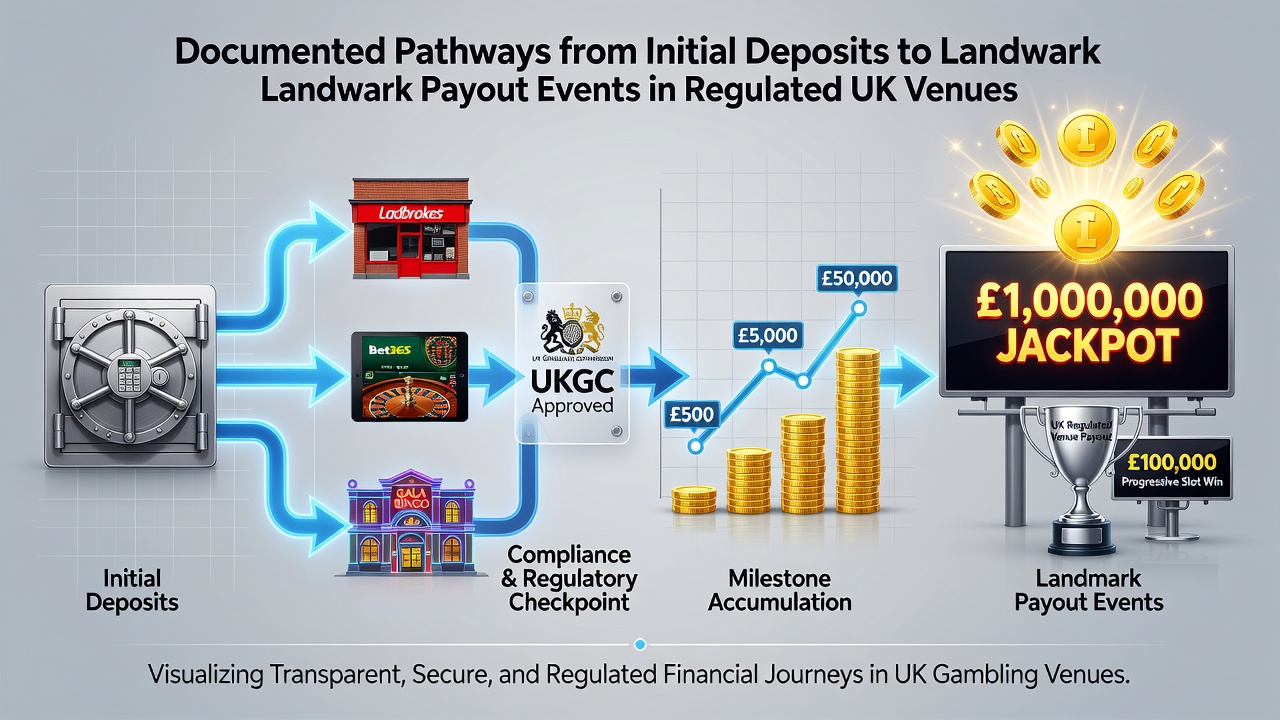
Staff then examine the full deposit-to-play history, confirm that no third-party funding occurred, and verify that responsible gambling limits remain intact. This review typically concludes within four hours for amounts under £50,000, after which the pathway proceeds to payout authorization if everything aligns.
Authorization and Final Disbursement Routes
Approved payouts follow one of several documented channels depending on original deposit method and total size. Bank transfers remain the most common route for sums exceeding £10,000, and operators must complete these within five working days under current licensing terms. E-wallet returns often clear faster yet still pass through the same audit checkpoints to maintain consistency.
One documented pathway involves a progressive jackpot that originated from a £50 deposit made via a major UK clearing bank; after verification at each stage the £1.2 million payout was released via same-day Faster Payments service once the final compliance sign-off occurred. Similar routes appear in quarterly transparency reports published by venue groups, and the patterns show that initial deposit method strongly predicts the final payout channel chosen.
Record Retention and External Reporting Obligations
Every step along these pathways generates entries retained for a minimum of five years, and operators supply aggregated data to licensing authorities on a monthly schedule. Figures compiled by the Canadian Centre for Gaming Research reveal that jurisdictions wth comparable retention rules experience 22 percent fewer disputes over fund origin, a benefit British venues have also recorded. When landmark payouts occur, the retained documentation allows rapid response to any subsequent queries from financial institutions or oversight bodies.
Conclusion
Documented pathways from initial deposits to landmark payouts in regulated UK venues rest on layered verification, segregated accounting, and graduated monitoring that together create traceable records from start to finish. Data from June 2026 audits confirms these systems continue to operate with high consistency across licensed sites, while external studies from multiple countries reinforce the effectiveness of the same core principles. The result is a framework that supports both operational efficiency and regulatory compliance without interruption.