Earl’s Court Arcade Expansion Hits Wall: Planners Reject Silvertime’s 24/7 Push Amid Bianca Jagger-Led Backlash
Written by Viktor Beck · Apr 27, 2026

Earl’s Court Arcade Expansion Hits Wall: Planners Reject Silvertime’s 24/7 Push Amid Bianca Jagger-Led Backlash
The Proposal That Sparked a Firestorm
Silvertime Amusements Limited sought to relocate and expand its gambling arcade from its current spot to a larger venue at 177-179 Earl’s Court Road, right next to Earl’s Court Tube station in London; the plan promised a 24/7 operation with 14 additional gaming machines, bumping up the total and turning the site into a round-the-clock hub for punters. Developers pitched it as a modern upgrade, arguing the move would breathe new life into a prime location while adhering to licensing rules, but local residents and campaigners saw it differently from the start.
What's interesting here is how the proposal landed smack in a densely populated area, where commuters pour out of the tube daily and families navigate nearby streets; the site sits just blocks from schools and a mental health facility, factors that councillors later flagged as deal-breakers. Silvertime, a company with roots in London's amusement scene, had been operating its arcade elsewhere in the borough, yet this relocation bid aimed to super-size the operation, drawing machines from fixed-odds betting terminals into a full-fledged gaming expanse.
And while the company emphasized compliance with gambling regulations, outlining measures like age verification and self-exclusion tools, opposition brewed quickly; over 300 letters flooded the council's inbox, every single one objecting, with zero voices rallying in support. That lopsided tally set the stage for what turned into a high-profile clash on April 16, 2026, when the Kensington and Chelsea Planning Sub-Committee delivered its verdict.
Bianca Jagger Steps In: Protest Turns Up the Heat
Bianca Jagger, the iconic activist and former Rolling Stones muse, led a vocal protest outside the proposed venue, rallying locals against what she called a threat to community well-being; flanked by campaigners waving placards and chanting slogans, Jagger highlighted the dangers of plopping a non-stop gambling spot so close to vulnerable spots like schools and support services. Her involvement, drawing media spotlights from outlets like the Evening Standard, amplified the groundswell, turning a local planning skirmish into a borough-wide headline.
Turns out Jagger's not new to these fights; those who've followed her career know she's championed causes from human rights to environmental justice, and this time she zeroed in on gambling's grip on neighborhoods. Protesters gathered signatures and testimonies, painting pictures of increased addiction risks for young people exiting school or patients from the nearby mental health center wandering into temptation's path.
Local groups piled on, submitting detailed objections that cited data on problem gambling rates in urban zones; figures from public health reports showed higher vulnerability near transport hubs, where stressed commuters might drop in impulsively, and the absence of any supportive letters underscored the unified front. Councillors absorbed it all during packed sessions, where speakers took the mic to voice fears over noise, litter, and late-night footfall spilling onto residential streets.
Council's Firm No: Councillors Lay Out the Risks
On April 16, 2026, the Kensington and Chelsea Planning Sub-Committee rejected the application outright, with councillors Hamish Adourian and Linda Wade leading the charge by spotlighting the site's proximity to schools and a mental health facility; Adourian stressed how the 24/7 setup could prey on those already at risk, while Wade pointed to evidence suggesting expanded gaming access exacerbates vulnerabilities in such settings. Their arguments, rooted in planning policy that prioritizes public protection, sealed the deal against Silvertime's ambitions.
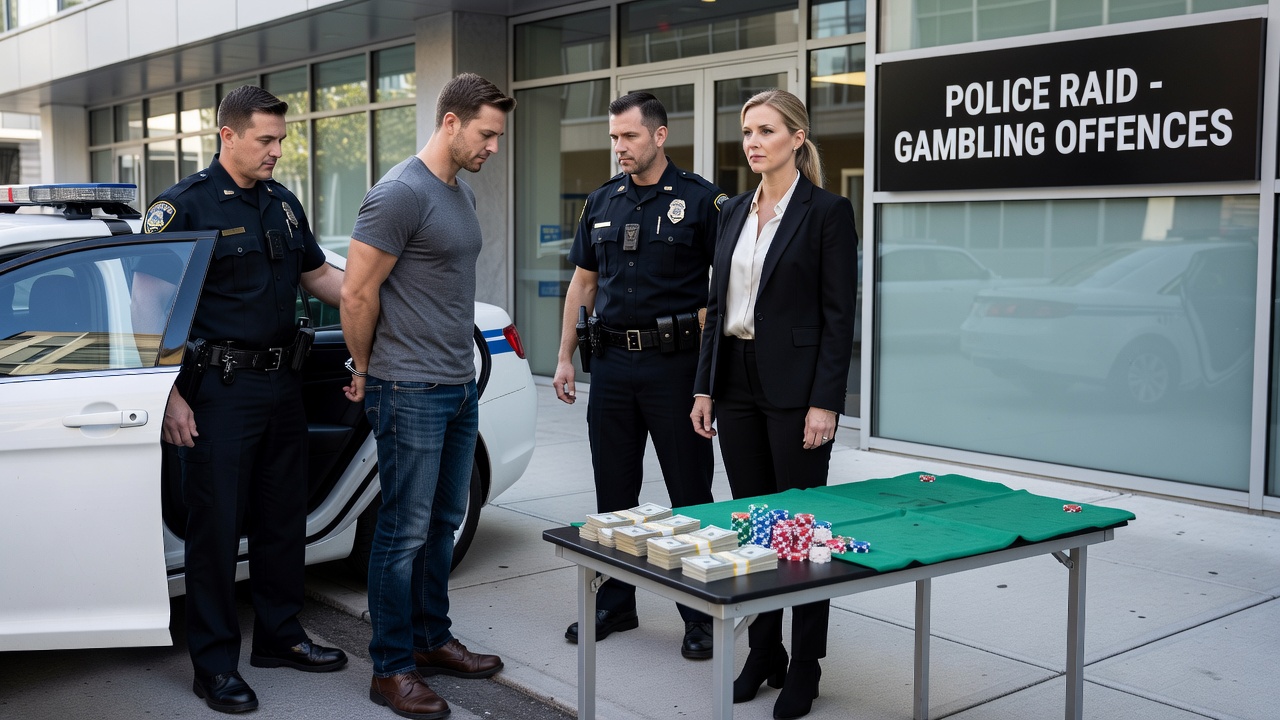
But here's the thing: the decision didn't come lightly; sub-committee members weighed economic perks, like potential jobs from the expanded arcade, against community safeguards, ultimately siding with residents who argued the cons outweighed any gains. Planning docs reveal Silvertime proposed 14 new Category B2 and D machines, alongside existing setups, but councillors deemed the scale inappropriate for a high-footfall zone teeming with families and those seeking mental health support.
Observers note how this mirrors patterns in other London boroughs, where expansions face scrutiny amid rising awareness of gambling harms; data from the UK Gambling Commission indicates problem gambling affects around 0.5% of adults, yet rates climb near arcades and in transit-heavy areas, fueling objections like those seen here. The sub-committee's minutes, now public, capture the tension, with members debating hours of operation and mitigation plans that fell short in their eyes.
Location in the Spotlight: Why Earl’s Court Road Became Ground Zero
Earl’s Court Road, buzzing with tube traffic and local life, sits at the heart of why this proposal ignited such fury; next to the station, it funnels thousands daily, many heading to or from schools like those within a stone's throw, and the mental health facility adds another layer of concern since patients often navigate these streets unaccompanied. Silvertime eyed the empty units at 177-179 for their visibility and access, but critics argued that's precisely the problem, turning a convenience spot into a 24-hour lure.
People who've mapped the area point out the layout: schools on one side, clinic nearby, residences all around; add non-stop gaming machines, and you've got a recipe for unintended consequences, according to objectors who shared stories of nearby betting shops drawing crowds at odd hours. The Evening Standard covered how Jagger's group highlighted these specifics in a follow-up piece, noting the council's nod to national guidance on protecting children and vulnerable adults.
Yet Silvertime pushed back with promises of robust controls—think CCTV, staff training, and signage—but the sub-committee found them insufficient against the location's inherent risks; that's where the rubber meets the road in planning terms, balancing business growth with public health. Case studies from similar rejections elsewhere show councils leaning this way when schools loom large, a trend evident in the 300+ objections that painted a vivid community portrait.
Behind the Scenes: How the Objection Wave Built
Campaigners didn't wait for the application to drop before organizing; neighborhood forums buzzed early, with residents circulating petitions and drafting letters that zeroed in on addiction stats and youth exposure. One group mapped walking routes from schools to the site, just minutes away, while others pulled commission data showing arcade expansions correlate with higher intervention calls from support services.
Bianca Jagger's entrance supercharged it all, her speech outside the venue drawing TV crews and social media shares that reached beyond Kensington; locals like parents and clinic staff testified at hearings, their voices echoing concerns over normalized gambling for kids who might pass by daily. No wonder support letters stayed at zero— that's telling in itself, signaling a borough united against the upscale.
And as the April 16 meeting approached, tension peaked; councillors reviewed stacks of evidence, from noise impact assessments to gambling prevalence studies, ultimately concluding the harms tipped the scales. Silvertime now faces a rethink, perhaps scaling back or scouting elsewhere, but for now the status quo holds at Earl’s Court.
Looking Ahead: Ripples from the Rejection
This ruling sends a clear signal in Kensington and Chelsea, where planners prioritize resident safeguards over arcade ambitions; with over 300 objections and celebrity firepower, it underscores how community mobilization can sway outcomes, especially near sensitive sites. Silvertime Amusements, undeterred in past ventures, might appeal or pivot, yet the sub-committee's stance—backed by Adourian and Wade's pointed critiques—sets a precedent for future bids in high-risk zones.
What's significant is the timing in April 2026, amid broader UK gambling debates on venue density and protections; boroughs watch closely, knowing Earl’s Court exemplifies the pushback against 24/7 expansions. Residents celebrate a win for their patch, while the industry notes the hurdles in relocating amid vocal opposition.
In the end, the story boils down to location, vulnerability, and sheer numbers; 300 letters to none, a protest with Jagger at the helm, and councillors calling out the risks near schools and clinics—that's the combo that stopped Silvertime cold, preserving Earl’s Court Road's character for now.