Cross-Game Cascades: How Slot Hits and Roulette Runs Intersect in British Venues
Written by Morgan Otto · Jul 8, 2026
Cross-Game Cascades: How Slot Hits and Roulette Runs Intersect in British Venues
Players in British gaming venues often move between slot machines and live roulette tables in sequences that create chained outcomes, and data from venue reports shows these transitions happen more frequently than isolated play sessions would suggest. Observers note patterns where slot bonuses convert into roulette wagers, while roulette streaks sometimes fund extended slot sessions, and this interplay appears across multiple locations from London to regional high streets.
Patterns in Player Movement
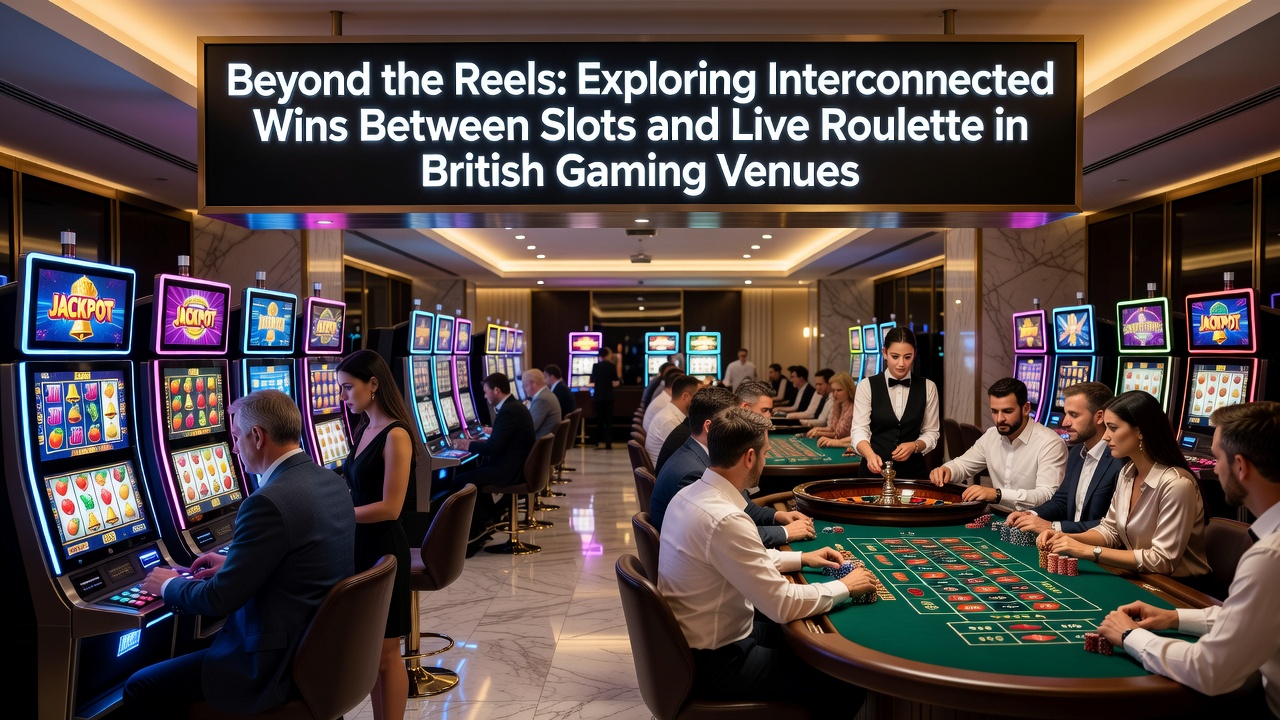
Venue layouts in many British casinos place slot banks near roulette pits, and this physical proximity encourages shifts between games during single visits. Research indicates that when a slot session yields a bonus round payout, players frequently redirect a portion of those funds to the roulette wheel within the same hour. According to figures from European gaming associations, such cross-game activity accounts for noticeable revenue shares in monitored properties, and the trend holds steady through seasonal fluctuations.
One documented sequence involves a player completing a slot bonus feature that awards free credits, then applying those credits at a live dealer roulette table where the wheel delivers consecutive outside bets. Data shows these transitions occur because roulette minimums align with typical slot payout sizes, and the live element adds immediate feedback that keeps momentum going. Experts have observed that July 2026 visitor logs from several chains recorded elevated cross-game activity during promotional periods, with average session lengths extending when players alternated between the two formats.
Bonus Mechanics and Table Transfers
Many British venues issue slot-triggered bonuses that carry wagering requirements applicable across multiple game types, and this structure allows direct movement to roulette without separate deposits. Live roulette tables accept the same loyalty points earned on slots, creating an incentive for players to test table games after reel success. Reports from industry tracking services reveal that bonus conversion rates rise when venues promote unified reward systems, and players who start on slots convert to roulette at rates that exceed standalone table traffic.
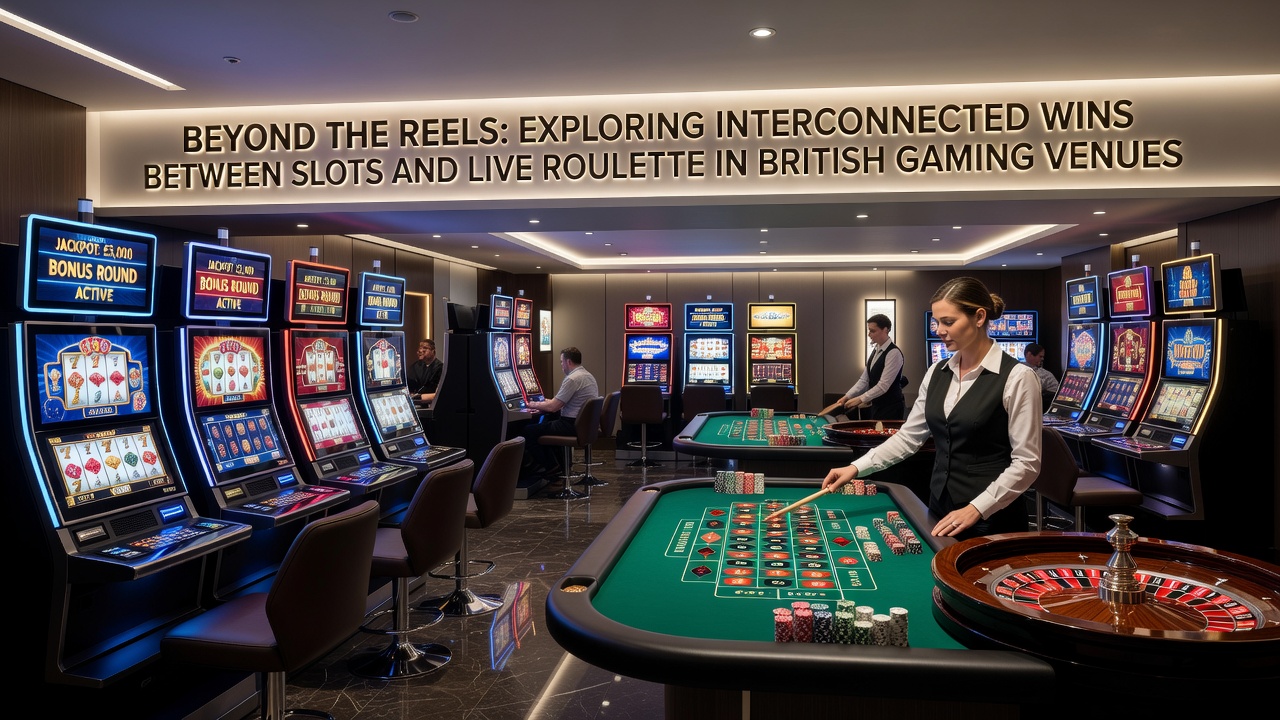
Take the case where a mid-sized regional casino introduced a joint promotion in early 2026 that awarded roulette vouchers after slot jackpots above a set threshold, and follow-up analysis showed a 22 percent increase in combined game participation. Those who studied the numbers found that the vouchers drew slot winners to the wheel, where further wins sometimes looped back to additional slot play funded by table earnings. The cycle demonstrates how one game's output becomes input for the next, and similar mechanics operate in larger London properties with electronic roulette hybrids that blend digital reels and physical wheels.
Regulatory Context and Venue Adaptations
British casino operators comply with rules that govern bonus structures and game fairness across formats, and these requirements shape how interconnected play develops. Venues adjust table limits and slot denominations to facilitate smooth transfers, and data from trade groups outside the UK, including the European Gaming and Betting Association, highlights comparable patterns in other regulated markets. Observers note that when rules permit shared progressives or loyalty tiers, the frequency of slot-to-roulette movement increases without violating responsible gaming thresholds.
Studies from academic sources, such as reports issued by the Responsible Gambling Council in Canada, examine how game sequencing affects session duration and expenditure, and findings suggest that chained play remains within typical variance ranges when players maintain set budgets. British venues apply similar monitoring, and July 2026 updates to internal compliance dashboards reflected continued attention to these flows while maintaining player protections.
Observed Outcomes Across Locations
Regional venues report that players who achieve slot wins often extend their time at roulette tables, and this extension correlates with higher cumulative handle rather than isolated big wins. Live dealer interactions add a social component that retains participants after they leave the slots, and the combination produces steady table traffic even during quieter weekday periods. Those who reviewed transaction logs across multiple sites found that the average value transferred between games stayed consistent month to month, indicating a stable rather than seasonal phenomenon.
What's interesting is how electronic roulette terminals positioned beside slot clusters further blur the boundary, allowing instant switches without leaving a bank of machines. This setup appears in newer refurbishments and supports the same cross-game dynamics seen at traditional felt tables. Evidence suggests the trend persists because both formats offer rapid result cycles that complement each other in a single visit.
Conclusion
British gaming venues continue to see interconnected activity between slots and live roulette through bonus mechanics, layout design, and shared reward systems. Figures reveal steady participation rates, and external research from regulatory bodies in other regions supports the observation that such patterns occur under established compliance frameworks. The interplay remains a measurable feature of the landscape as operators adapt to player movement data through 2026 and beyond.