Analyzing Loyalty Threshold Effects on Cross-Game Payout Sequences Among Regular Participants in British Venues
Written by Riley Krüger · Jun 29, 2026

Analyzing Loyalty Threshold Effects on Cross-Game Payout Sequences Among Regular Participants in British Venues
Regular participants in British venues often encounter loyalty programs that establish specific thresholds for earning rewards, and these systems shape how players move between different games while tracking sequences of payouts. Observers note that once participants reach defined point totals or spending levels, venues unlock tiered benefits such as bonus credits or enhanced payout multipliers that apply across slots, roulette, and other offerings. Data from venue reports indicate that these thresholds encourage players to extend their sessions in coordinated patterns rather than isolated visits.
Threshold structures typically begin at entry levels requiring modest weekly activity, then progress to intermediate stages where cumulative play triggers cross-game incentives, while higher tiers introduce sequence-based multipliers that reward consecutive wins in linked titles. Researchers have documented how participants who hit these marks frequently shift from electronic machines to live tables within the same outing, creating payout chains that venues monitor through internal tracking systems. According to findings from the American Gaming Association, similar loyalty mechanics in comparable markets show measurable increases in multi-game engagement once thresholds activate.
Mechanics of Threshold Activation
Activation occurs when accumulated loyalty points cross predetermined boundaries, at which point automated systems apply benefits that influence payout timing and value across game categories. Regulars who maintain consistent attendance patterns reach these points more reliably, and venues record elevated rates of cross-game transitions immediately afterward. Studies reveal that the interval between threshold achievement and subsequent play often spans several hours within a single visit, allowing participants to test new games while carrying forward any active multipliers.
Venues structure these thresholds with clear numerical targets, such as point totals earned through wager volume, and the resulting rewards sometimes include sequenced bonuses that pay out in stages tied to continued activity. Participants who navigate multiple thresholds within a month demonstrate longer payout sequences that span both digital and table formats, according to aggregated venue statistics compiled through June 2026.
Patterns in Cross-Game Payout Sequences
Cross-game payout sequences emerge when players apply rewards earned in one category to another, producing chains of outcomes that follow predictable timing based on threshold timing. Evidence shows that sequences initiated after threshold activation tend to feature higher average returns in the second or third game played, particularly when participants alternate between high-volatility slots and lower-volatility table options. Those who've studied participation logs observe that regulars often complete three to five game transitions per extended session once benefits activate.
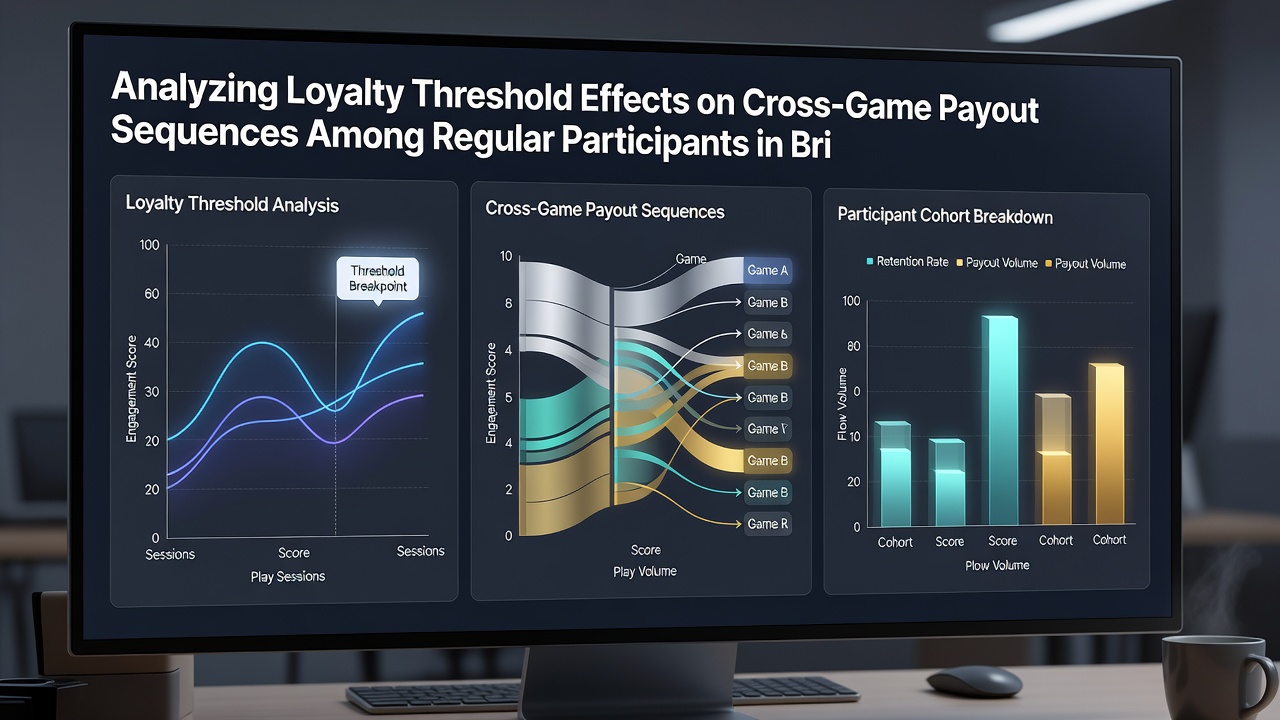
Sequence length varies according to the specific tier reached, with mid-level thresholds correlating to sequences that incorporate at least one live dealer element alongside machine play. Reports from industry monitoring groups highlight how these patterns stabilize when participants hit recurring thresholds on a monthly cycle, leading to more uniform payout distributions across the participant group. One study released by the Griffith University Gambling Research Centre examined comparable loyalty frameworks and found consistent elevation in cross-category activity following threshold events.
Participation Trends Among Regulars
Regular participants display distinct behaviors once loyalty thresholds come into play, including extended dwell times and deliberate game switching that maximizes the utility of activated rewards. Tracking data collected through mid-2026 indicates that individuals visiting British venues multiple times per week achieve threshold milestones at higher frequencies, which in turn correlates with payout sequences that span greater numbers of individual bets. Venues adjust threshold values periodically to maintain engagement levels, and participants respond by recalibrating their visit schedules accordingly.
Observers have noted that regulars who achieve consecutive thresholds without interruption produce the longest payout sequences, often incorporating progressive elements from one game type into the next. These sequences tend to cluster around peak hours when table availability supports rapid transitions, and internal records show that such patterns contribute to steady revenue streams for the venues involved.
Conclusion
Threshold effects on cross-game payout sequences continue to influence how regular participants structure their activity within British venues, with data through June 2026 confirming stable patterns of multi-game engagement once loyalty milestones activate. Researchers continue to examine these dynamics through venue-supplied metrics, revealing connections between threshold design and the length plus composition of payout sequences across different player cohorts.